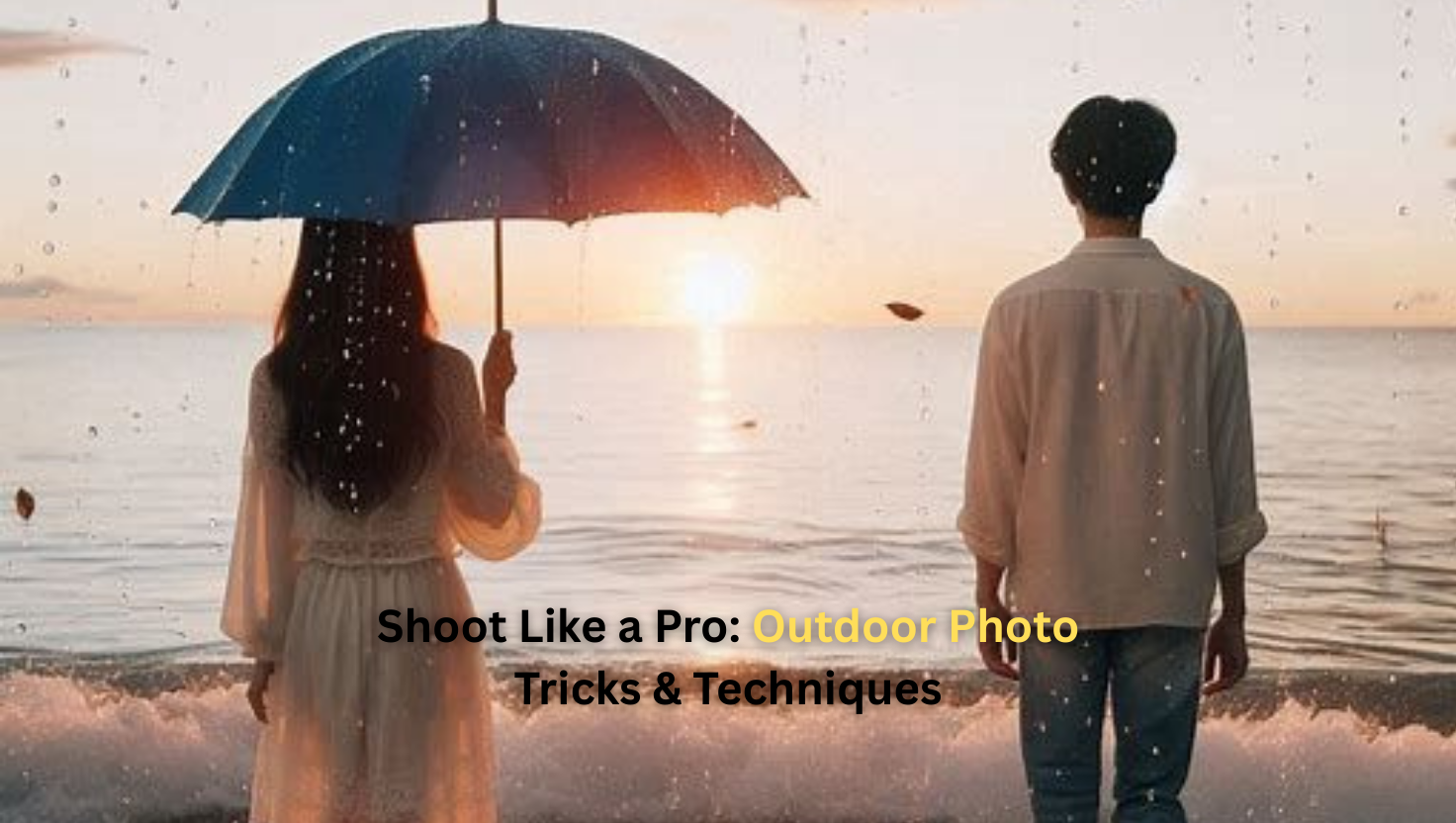
Nature is more than a backdrop—it’s a living, breathing canvas. Capturing it in its rawest, most magnificent form is both an art and a skill. At outdoordayz.com, we believe anyone can transform their outdoor photography game with the right guidance and a bit of creative vision. Whether you’re hiking through towering forests, camping under starlit skies, or walking a quiet trail at sunrise, every moment is a potential masterpiece waiting to be captured. This guide is here to unlock those possibilities. No expensive gear? No problem. No technical knowledge? We’ve got you. From choosing the best light to framing the perfect shot, this is your go-to resource for turning every outdoor trip into a gallery-worthy photo shoot.
Let’s make nature your studio.
Why Outdoor Photography is a Game-Changer
There’s something deeply fulfilling about capturing the untamed spirit of the outdoors. Whether it’s the golden hour over a mountain range or a bird caught mid-flight, nature doesn’t pose—but it performs. The challenge lies in recognizing the moment before it disappears.
The Power of a Picture
A single image can evoke emotion, tell a story, or spark wanderlust. Outdoor photography is about connection—between you and the landscape, the subject and the viewer, the moment and the memory.
Not Just for Professionals
You don’t need a DSLR or a photography degree. Your smartphone, a curious eye, and a bit of practice are often all you need. The wild doesn’t wait for you to learn every setting—it rewards those willing to explore, fail, and shoot again.
Essential Outdoor Photography Gear
Let’s start with what you need and why.
Cameras: Know Your Tool
- Smartphones – Modern phones are incredible at capturing sharp, colorful shots. Learn your phone’s camera features and use third-party apps to unlock more controls.
- Mirrorless Cameras – Lightweight and powerful. Ideal for hikers or travelers who want better image quality without the bulk.
- DSLRs – Excellent for control and versatility. Great for those serious about refining their craft.
Lenses Matter
Different lenses change how you tell a story:
- Wide-angle for landscapes
- Telephoto for wildlife
- Macro for flowers and insects
Accessories to Enhance Your Shots
- Tripod – Crucial for long exposures and night shots.
- ND filters – Helps you shoot in bright daylight without blowing highlights.
- Remote shutter – Reduces blur during long exposures.
- Lens cleaning cloth – Nature is dusty; keep your lens clear.
Mastering the Light: Nature’s Best Filter
Understanding natural light is the key to next-level photography. It’s free, always changing, and adds depth that editing can’t fake.
Golden Hour and Blue Hour
These are the most magical times to shoot:
- Golden Hour – Just after sunrise or before sunset. Soft, warm, and flattering.
- Blue Hour – The period right before sunrise or after sunset. Cool, dreamy tones.
Midday Sunlight
Avoid it if you can—it causes harsh shadows. If you must shoot at noon:
- Find shade
- Use reflectors
- Adjust your exposure settings
Cloudy Days Are Your Friends
Cloud cover softens light and makes colors pop. It’s perfect for portraits, waterfalls, and moody landscapes.
Composition Techniques That Work Every Time
You don’t need to reinvent the wheel. These classic rules create visually appealing images, even for beginners.
Rule of Thirds
Divide your frame into 9 equal parts. Place points of interest along these lines or their intersections for balanced images.
Leading Lines
Paths, rivers, or fallen logs can lead the viewer’s eyes into the photo, adding depth.
Framing
Use trees, rock arches, or windows to frame your subject and draw attention inward.
Negative Space
Sometimes less is more. A single bird in a vast sky tells a powerful story.
“Photography is the art of frozen time… the ability to store emotion and feeling within a frame.”
Capturing Wildlife Without Disturbing It
Wildlife photos are rewarding, but they require patience and respect.
Stay Low, Stay Quiet
Avoid startling animals. Use a zoom lens to maintain distance and safety—for both you and the animal.
Know Their Habits
Animals have patterns. Learn their behaviors to anticipate movement and position yourself for the best shot.
Don’t Feed or Bait
It’s harmful to the ecosystem and changes the animal’s behavior unnaturally.
Water, Forests, and Mountains: Specific Shooting Tips
Every environment offers unique challenges and opportunities.
Water Shots: Lakes, Rivers, and Waterfalls
- Use a polarizing filter to cut glare.
- For long exposure, slow your shutter speed and use a tripod to get silky water effects.
- Reflections work best during calm weather—wait for that stillness.
Forests and Trees
- Shoot during fog or rain for mood.
- Use a wide-angle lens to emphasize height and space.
- Look for patterns in the bark, leaves, or fallen logs for close-up textures.
Mountains and Vistas
- High contrast helps emphasize the peaks.
- Include a human subject (like a hiker) to show scale.
- Play with layers—foreground, midground, and background to create depth.
Editing Like a Pro (Without Overdoing It)
You don’t need Photoshop to elevate your images. Even free apps like Snapseed or Lightroom Mobile can work wonders.
Basic Editing Workflow
- Crop and straighten
- Adjust brightness and contrast
- Enhance colors, but keep it natural
- Sharpen slightly for clarity
Avoid going overboard. Let nature’s beauty shine through.
Telling a Story with Your Photos
A single photo is powerful. A series is transformative.
Start with a Narrative
Are you documenting a journey? A changing season? A hidden trail?
Variety in Shots
- Establishing shot – A wide landscape
- Detail shot – A leaf, insect, or footprints
- Human element – Someone interacting with nature
Editing for Flow
Keep your colors and tones consistent when sharing on platforms like Instagram or building a portfolio.
Safety, Ethics, and the Environment
As you hunt for the perfect shot, remember to protect what you love.
Leave No Trace
Stick to trails. Don’t trample flowers for a better angle. Pack out everything you bring.
Respect Local Rules
Some areas restrict drones, fire, or access during certain seasons—know before you go.
Don’t Prioritize the Shot Over Safety
Cliffs, waterfalls, and wildlife demand respect. No photo is worth a fall or a fine.
FAQs
What’s the best time of day for outdoor photography?
Golden hour (early morning or late afternoon) is best for soft, warm lighting. Avoid midday unless it’s cloudy.
Do I need an expensive camera to take great outdoor photos?
Not at all. Many stunning shots are taken with smartphones. It’s more about technique than equipment.
How do I keep my gear safe outdoors?
Use padded, weatherproof bags. Carry silica gel packets to avoid condensation, and always have a lens cap on when not shooting.
What apps help improve my shots?
Try Lightroom Mobile, Snapseed, or VSCO. They’re beginner-friendly and powerful for editing on the go.
How can I shoot stars or the Milky Way?
Use a tripod, a camera with manual mode, and long exposure settings. Find a dark sky location away from city lights.
Conclusion
Outdoor photography is more than clicking a button it’s about seeing the world with wonder, patience, and intention. From rugged trails to quiet sunsets, the world offers endless inspiration. The key lies in learning how to see, wait, and capture.At outdoordayz.com, we believe every outdoor lover has the potential to be a great photographer. You don’t need the most expensive camera or the perfect conditions. You just need passion, a willingness to explore, and the curiosity to keep learning.So grab your camera, step outside, and start shooting. Because the best photo you’ll ever take is still waiting… somewhere out there in the wild.