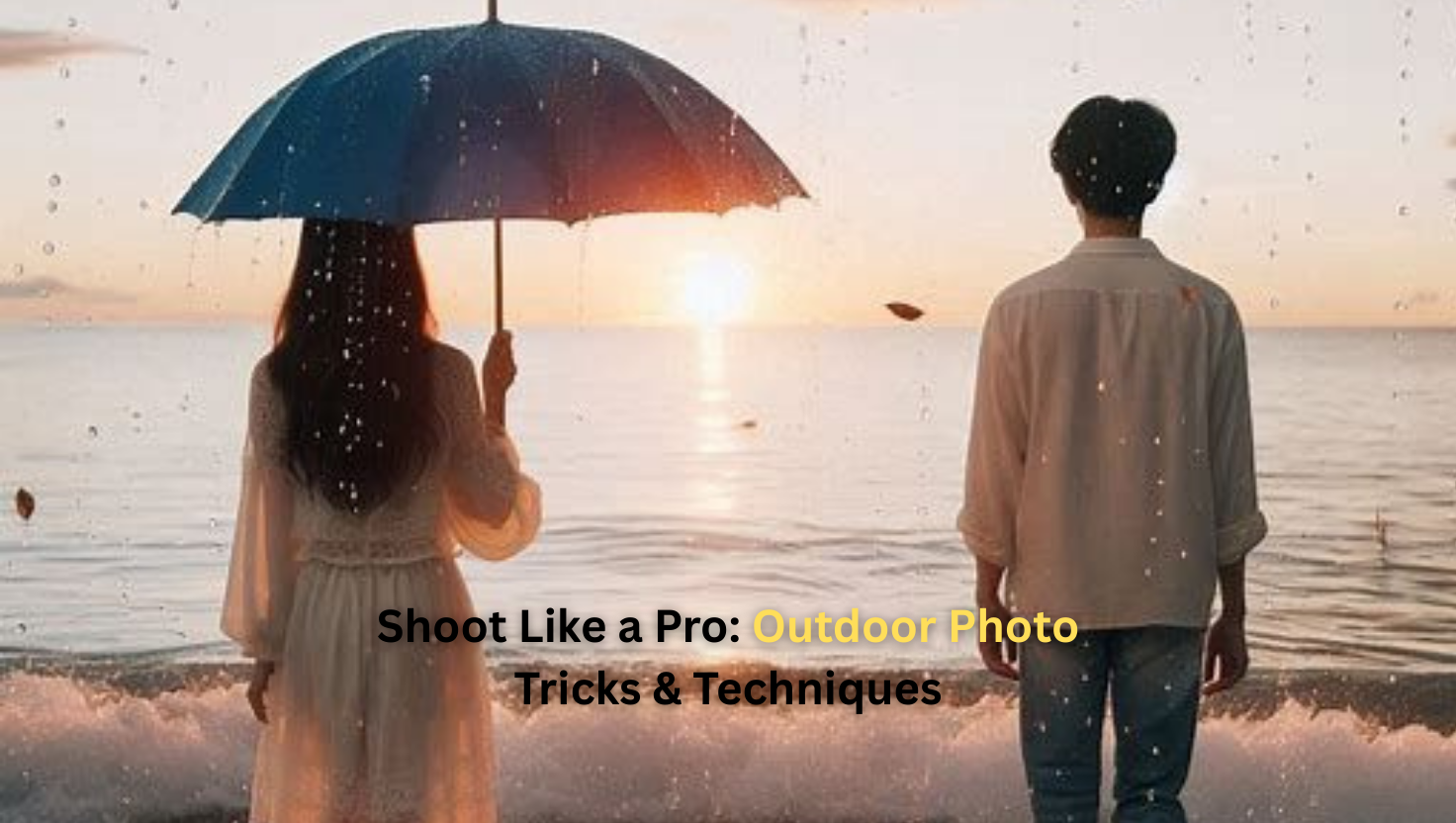
At outdoordayz.com, we believe the best memories are captured under open skies, surrounded by untamed landscapes. Whether you’re a budding photographer with a smartphone or a seasoned pro carrying a DSLR, the thrill of outdoor photography lies in freezing a moment of nature’s raw beauty. But snapping a stunning wildlife photo or capturing the perfect sunrise requires more than just luck — it demands the right mindset, techniques, and gear. This ultimate guide will walk you through every essential element of outdoor photography, from lighting and composition to camera settings and editing tips. Let’s turn your next hike into a gallery-worthy photo shoot.
Mastering the Basics of Outdoor Photography
Know Your Gear
Choose the Right Camera for the Job
You don’t need the most expensive camera to take breathtaking outdoor shots. DSLRs and mirrorless cameras give you more control, but even smartphones today can produce stunning images with the right settings. Learn what your gear can do — understand aperture, ISO, and shutter speed, and how they interact.
Lenses Make the Difference
A wide-angle lens is excellent for landscapes, while a telephoto lens helps you zoom in on wildlife without disturbing them. Don’t forget a macro lens if you’re fascinated by insects, flowers, or textures in nature.
Understand Light Like a Painter
Golden Hour Magic
Sunrise and sunset — the golden hours — provide soft, warm light that brings landscapes to life. Shooting during midday often results in harsh shadows and blown highlights. Aim to get to your location early to scout the scene and be ready to shoot when the light is at its best.
Work with Natural Light
Use backlighting for dreamy silhouettes, side lighting for drama and depth, and diffused light (like on overcast days) for evenly exposed portraits of people or wildlife.
Composition: The Soul of the Photo
Rule of Thirds and Beyond
Break the Grid… But Know It First
The rule of thirds is a classic: divide your frame into a 3×3 grid and place your subject along these lines or at their intersections. But sometimes breaking the rule creates more impact — especially with strong symmetry or centered compositions.
Foreground, Midground, Background
Build Depth with Layers
Great outdoor shots don’t just look pretty — they pull the viewer in. Use natural layers to build depth: rocks or flowers in the foreground, trees or lakes in the middle, and mountains or sky in the background.
Leading Lines and Natural Frames
Guide the Eye
Use paths, rivers, fences, or even shadows to lead the viewer’s eye into the image. Trees, arches, or overhanging cliffs can serve as beautiful natural frames for your subject.
Get Creative in the Wild
Perspective is Everything
Go Low or Get High
Changing your angle changes everything. Shoot from ground level for a unique worm’s-eye view, or climb a rock to capture sweeping aerial-like shots. Don’t just shoot from eye level.
Play with Reflections and Shadows
Use Water and Light for Mood
Lakes, puddles, or even sunglasses can be used to capture reflective scenes. Look for long shadows near sunrise or sunset to add drama or mystery to your image.
“A camera teaches you how to see — to notice the quiet poetry in a leaf’s curl, the thunder in a mountain’s silhouette, and the magic in every fleeting moment.”
Editing and Post-Processing
Shoot RAW, Edit Right
RAW images preserve more detail and are better for editing. Use tools like Adobe Lightroom or Snapseed to tweak exposure, contrast, and color — but avoid over-editing. The goal is to enhance, not fake.
Consistency is Key
If you’re building a portfolio or Instagram presence, keep your color tones, mood, and style consistent. It gives your work a signature look.
Special Outdoor Photography Styles
Landscape Photography
Capturing Grandeur
For landscape shots, use a wide-angle lens, small aperture (like f/11 or f/16), and a tripod for sharpness. Think about the weather — dramatic clouds or fog can transform a simple mountain scene into something otherworldly.
Wildlife Photography
Patience and Timing
Wildlife photography is about waiting… and waiting. Use a fast shutter speed (1/1000 or faster), a long lens, and silent shooting if available. Know your animal’s behavior for better prediction.
Adventure & Action Photography
Freeze the Motion
Photographing climbers, kayakers, or trail runners requires fast shutter speeds and burst mode. Use continuous focus (AF-C) to track movement and keep your subject sharp.
Macro Nature Photography
See the Unseen
Shoot in the early morning when insects are less active. Use a tripod, focus manually, and watch your depth of field — it’s razor thin at close distances.
Photographer’s Field Kit: What to Pack
Must-Have Essentials
- Camera + Lenses
- Extra batteries and memory cards
- Tripod or monopod
- Lens cloth and cleaning kit
- Rain cover or dry bag
- Polarizing filter (great for skies and water)
- Portable light or reflector
Optional But Useful
- Remote shutter release
- ND filters for long exposure shots
- Compass and topographic map
- Trail snacks and hydration pack
Stay Safe and Respectful
Respect Nature
Leave no trace. Don’t disturb wildlife or pick plants for the shot. Stay on trails, and pack out everything you bring in.
Know Your Environment
Check the weather, bring a map, and tell someone your location. Photography can distract you — be aware of your surroundings and potential hazards like cliffs, tides, or wildlife.
Dress for the Terrain
Layer up for changing weather, wear proper footwear, and use gloves that allow touch-screen use so you can shoot in the cold.
Top Outdoor Photo Challenges (And How to Beat Them)
Dealing with Harsh Sunlight
Use diffusers or shoot in shade. Underexpose slightly to avoid blown highlights and recover shadows in post.
Rain or Fog Conditions
Use a rain cover and shoot through the rain for moody, magical effects. Fog creates depth and mystery — use it to your advantage.
Low Light Situations
Increase ISO, open your aperture, and use a tripod for long exposure. Noise can be fixed in editing — blur can’t.
Outdoor Photography Ideas to Inspire You
- Capture star trails on a clear night
- Take a self-timer shot in the wild to add a human element
- Photograph a waterfall with slow shutter for a silky effect
- Try black and white nature photography for mood
- Do a photo series on seasonal changes in one location
FAQs
What’s the best time of day for outdoor photography?
Golden hour (just after sunrise or before sunset) offers the most flattering light. Blue hour (twilight) is also great for dreamy, cool tones.
Can I use a smartphone for outdoor photography?
Yes! With the right apps, manual controls, and good light, smartphones can deliver high-quality results. Focus on composition and lighting more than gear.
How can I protect my gear in rough weather?
Use a rain sleeve or plastic bag to shield your camera. Store gear in a padded, waterproof backpack and carry silica gel packets to absorb moisture.
What settings should I use for landscapes?
Use aperture priority mode (f/8 to f/16), low ISO (100–200), and a tripod for sharpness. Use manual focus for better precision.
Is editing necessary?
Yes, even minimal editing enhances your photo’s impact. Editing helps correct exposure, bring out colors, and match your creative vision.
Conclusion
Outdoor photography is more than a hobby — it’s a way of reconnecting with nature and seeing the world through new eyes. With the tips in this guide from outdoordayz.com, you’re now equipped to chase the golden light, find beauty in the overlooked, and transform your outdoor adventures into powerful visual stories. Whether you’re shooting misty mountains, colorful sunsets, or curious wildlife, remember: the perfect shot isn’t just about the image. It’s about the moment, the feeling, and the journey you took to get there.