
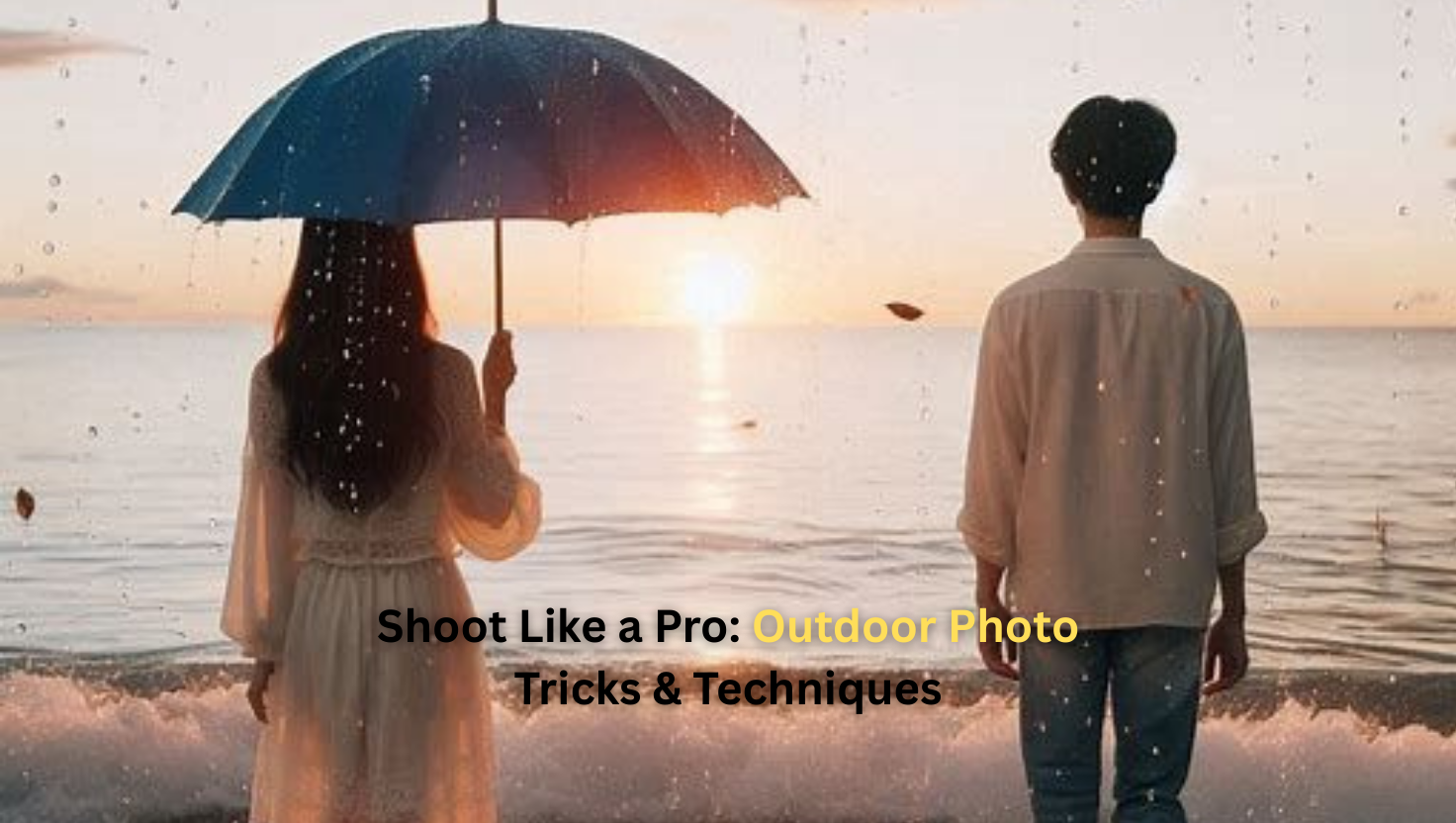
Whether you’re chasing golden light across mountain ridges or capturing candid wildlife in their natural habitat, outdoor photography is more than just snapping pictures—it’s about telling visual stories. At outdoordayz.com, we believe everyone has the potential to shoot like a pro with the right techniques, tools, and timing. This guide is your go-to source for transforming your outdoor shots from average to award-worthy. Let’s explore the smartest tricks and creative techniques that will help you unlock the full potential of your camera in the wild.
Mastering the Basics of Outdoor Photography
Understanding Natural Light
Golden Hour and Blue Hour Magic
Natural light is the soul of outdoor photography. The “golden hour” (shortly after sunrise or before sunset) and the “blue hour” (just before sunrise or after sunset) offer soft, warm tones and long shadows that create depth and emotion in your images. Plan your shoots around these hours for cinematic results.
Avoiding Harsh Midday Light
The sun directly overhead creates unflattering shadows and high contrast. If you must shoot in the middle of the day, look for shaded areas, use diffusers, or shoot subjects where the light adds drama—like waterfalls, deserts, or snow-covered mountains.
Choosing the Right Gear
Camera Types and Lenses
DSLRs and mirrorless cameras give you more control, but don’t underestimate high-end smartphones—they’re getting better every year. For landscape shots, go wide with a 10-24mm lens. For wildlife, a 70-300mm telephoto will keep you safely distant but visually close.
Tripods and Stabilizers
A sturdy tripod is a game-changer for low-light photography, time-lapses, and long exposures. Choose carbon fiber tripods for light travel or mini-tripods if you’re backpacking light.
Filters to Enhance Your Shots
Use a polarizing filter to cut glare and enhance sky contrast. ND filters are perfect for capturing smooth waterfalls or motion blur in broad daylight.
Composing Like a Pro
Rule of Thirds and Leading Lines
Imagine your frame split into a 3×3 grid. Placing subjects at the intersections creates balanced, dynamic images. Use leading lines—like roads, rivers, or tree branches—to guide the viewer’s eye into the scene.
Framing and Layers
Use natural elements like arches, windows, or foliage to frame your subject. Layering (foreground, middle ground, background) adds depth and interest, giving viewers a 3D feel in a 2D photo.
Depth of Field and Focus Control
Use a shallow depth of field (f/2.8 to f/5.6) for portraits to blur backgrounds, and a deep one (f/8 to f/16) for landscapes to keep everything sharp. Use manual focus for complete control, especially in tricky lighting or macro photography.
“A camera teaches you how to see without a camera.” Dorothea Lange
Tricks for Different Outdoor Photography Styles
Landscape Photography
Shoot in RAW for Flexibility
Shooting in RAW format preserves more detail and allows better post-processing. JPEG may save space, but RAW lets you correct exposure, color, and sharpness without losing quality.
Use a Foreground Anchor
A striking foreground element (a rock, flower, or stream) can turn a simple landscape into a powerful visual journey.
Wildlife Photography
Patience and Distance
Use a telephoto lens and keep your distance—respecting wildlife ensures safety for both you and your subject. Early mornings and late afternoons are best when animals are most active.
Silent Mode and Burst Shooting
Enable silent mode to avoid spooking animals. Use burst shooting to capture fleeting movements, especially for birds in flight or quick mammals.
Adventure and Action Photography
Fast Shutter and Wide Aperture
Freeze action with shutter speeds above 1/1000s. A wide aperture (like f/2.8) will help in low light and also isolate the subject dramatically.
GoPro and Drone Shots
Wearable and aerial cameras offer unique perspectives. Use a chest mount while climbing, or launch your drone for sweeping landscape panoramas.
Night and Astro Photography
Stability and Long Exposure
Set your ISO between 1600-3200, aperture wide open (f/2.8 or lower), and shutter speed around 20-30 seconds. Use a remote shutter or self-timer to avoid shaking.
Track the Stars
Use apps like PhotoPills or Stellarium to plan moon phases, Milky Way alignment, and meteor showers for perfect starry compositions.
Editing Tricks to Polish Your Shots
Don’t Overdo It
Keep your edits subtle—enhance what’s already there, don’t fake it. Adjust contrast, highlights, shadows, and saturation to maintain a natural look.
Use Presets Smartly
Lightroom presets can be a great starting point but tweak each one based on your photo’s unique light and colors. Avoid “one-size-fits-all” edits.
Clean Up Distractions
Use healing or cloning tools to remove unwanted objects or blemishes. It helps keep the viewer focused on your main subject.
Organizing and Backing Up Your Work
Tag and Organize
Use keywords, folders, and ratings in Lightroom or similar software. It helps you find shots quickly and keep your library efficient.
Backup in Multiple Places
Use cloud storage (like Google Photos, Adobe Cloud, or Dropbox) and a physical drive. Don’t let a corrupted SD card ruin your entire shoot.
Shooting Stories, Not Just Scenes
Think Like a Storyteller
Ask yourself: what story does this photo tell? Is it about the serenity of a lake, the ferocity of a thunderstorm, or the freedom of a solo hiker? One powerful image can say more than words ever could.
Capture Candid Moments
Whether it’s laughter around a campfire or a tired hiker’s muddy boots, these unscripted moments add emotion and authenticity to your portfolio.
Quick Pro Tricks for Instant Improvement
- Clean your lens before every shoot
- Keep spare batteries in your pocket (they drain faster in cold)
- Use the histogram instead of trusting the screen preview
- Learn and use the exposure triangle: ISO, shutter speed, aperture
- Take multiple angles of the same shot—high, low, side, wide
- Practice often, even in your backyard or local park
FAQs
What’s the best beginner camera for outdoor photography?
For beginners, the Nikon Z50 or Canon EOS R50 are great mirrorless choices. If on a tight budget, start with a smartphone with Pro mode and upgrade as you grow.
How do I protect my gear outdoors?
Use weather-sealed bags, lens caps, silica gel packs, and rain covers. Also, never change lenses in dusty or rainy environments.
What settings should I use for sunsets?
Start with ISO 100, aperture f/8, and shutter speed 1/100s. Adjust exposure compensation to avoid blown-out highlights and use a tripod to maintain sharpness.
How can I take sharper photos?
Use a tripod, lower ISO, shoot with a narrow aperture (like f/8–f/11), and enable image stabilization. Also, use manual focus when needed.
Is editing necessary for outdoor photos?
While not mandatory, editing helps you correct light, contrast, and colors—bringing the photo closer to how it actually felt when you took it.
What’s the best way to carry camera gear while hiking?
Use a camera-specific hiking backpack with padded compartments. Sling bags or chest mounts work well for quick access during action shots.
Conclusion
Outdoor photography is more than capturing beauty—it’s a journey of perspective, patience, and practice. From sunrise mountain hikes to moonlit lakes, every moment in nature is a chance to tell a story through your lens.By applying these expert tricks and techniques from outdoordayz.com, you can not only shoot like a pro but see like one too. Keep experimenting, keep exploring, and never stop chasing the light.


