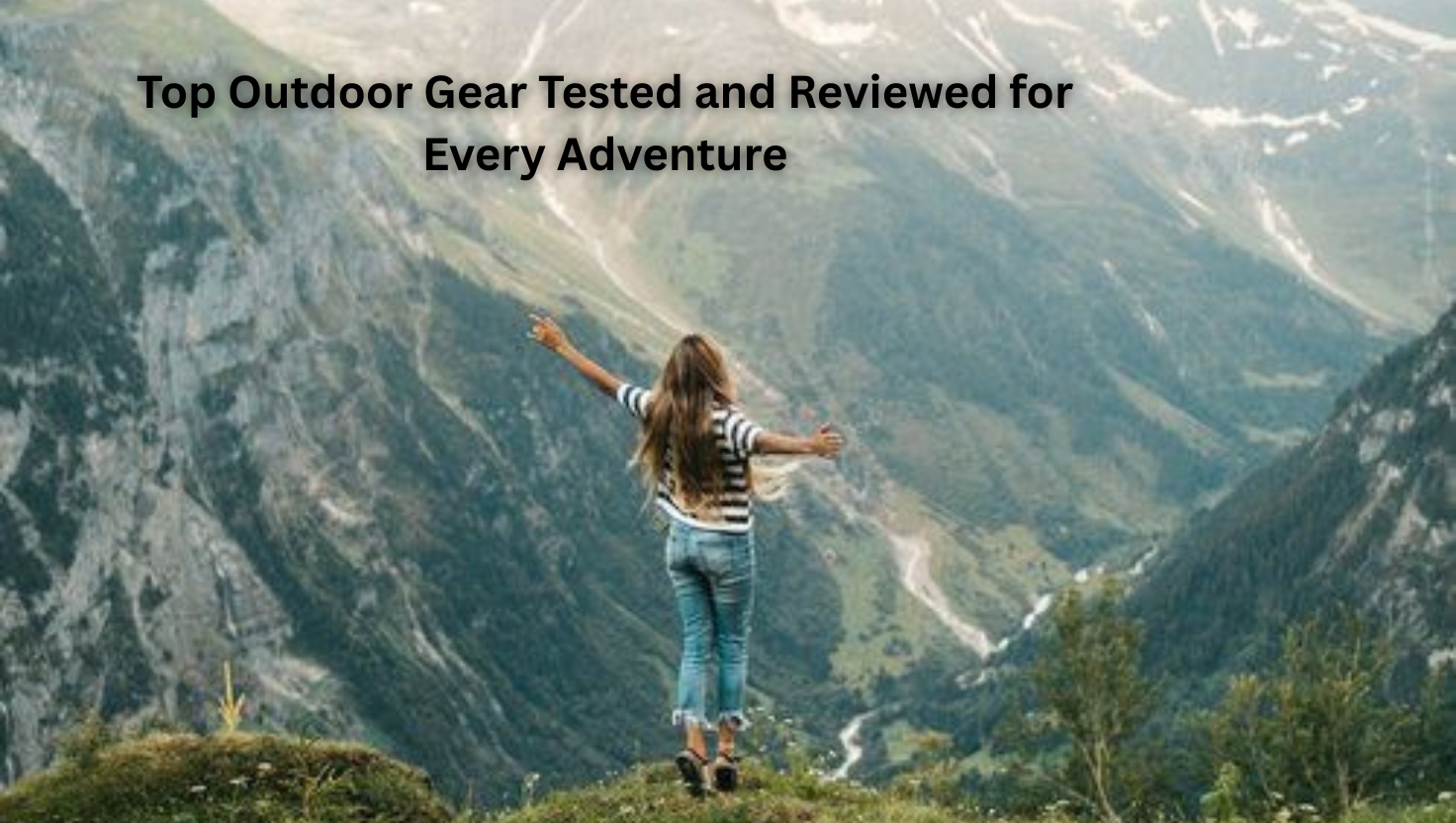
Venturing into the wilderness, breathing in crisp mountain air, and listening to the rhythm of nature’s song it all sounds like the perfect escape. But without the right gear, even the most scenic adventure can turn into a survival challenge. At outdoor dayz, we believe preparation is the real secret to unforgettable outdoor experiences. Whether you’re heading on a weekend hike or planning a week-long camping trip in the backcountry, this ultimate gear guide will equip you with everything you need literally and mentally to stay safe, comfortable, and inspired under the open sky.
Why the Right Outdoor Gear Matters
Outdoor gear is more than just cool gadgets and rugged aesthetics; it’s about safety, endurance, and enhancing your natural connection to the environment. The wrong pair of boots can lead to blisters and injury. A poorly rated tent can make a rainy night miserable. Your gear defines how far and how comfortably you can go.
Core Gear Every Hiker and Camper Needs
Footwear That Goes the Distance
Choosing the Best Hiking BootsYour feet are your foundation, especially when traversing rocky trails or uneven forest floors. Look for boots that are waterproof, provide ankle support, and offer excellent grip.Trail Runners vs Hiking BootsWhile hiking boots are ideal for rough terrains and long treks, trail runners offer breathability and lighter weight for faster, shorter hikes.
Reliable Shelter for All Seasons
Picking the Perfect TentWhen choosing a tent, consider three key things: weight, size, and seasonality. A three-season tent is perfect for spring through fall, while four-season models are best for winter camping.Lightweight Hammocks vs Traditional Tents
Hammocks are gaining popularity among ultralight backpackers. Add a tarp and bug net, and you’re covered in comfort.
Sleeping Bags and Pads That Keep You Warm
Your sleep system should be tailored to the climate. Down sleeping bags are lighter and more compressible, while synthetic bags dry quicker and perform better in wet conditions. Pair them with an inflatable or foam sleeping pad for insulation and comfort.
Essential Cooking Gear for Camp Cuisine
Reliable Camp StoveOptions range from compact backpacking stoves to multi-burner setups for car campers. The Jetboil system is a favorite for its efficiency, while MSR and Coleman offer great versatility.Cookware and UtensilsTitanium or anodized aluminum cookware is light yet sturdy. Don’t forget a spork and collapsible bowl!
Hydration Systems to Keep You Going
Water Filtration SolutionsYou won’t always find clean water on the trail. Tools like the Sawyer Mini, LifeStraw, or pump filters are compact and reliable.Hydration Packs vs BottlesHydration packs allow hands-free sipping and carry more water, while bottles are easier to clean and refill. Carry both for flexibility.
Navigation and Lighting Tools
Maps, Compasses, and GPS DevicesAlways have a physical map and compass as backups, even if you’re using GPS. Apps like Gaia GPS or AllTrails are great but electronics fail.Headlamps Over FlashlightsHeadlamps free your hands and offer adjustable brightness. Make sure they’re waterproof and have long battery life.
Safety and First Aid Must-Haves
First Aid Kit EssentialsPre-packed kits are convenient, but customize them with your medications, blister treatments, and extra bandages.Emergency GearInclude a whistle, mirror, space blanket, and fire starter. A personal locator beacon (PLB) or satellite communicator like Garmin inReach can save your life in remote areas.
Backpacks That Carry It All
Finding the Right FitYour backpack should fit your torso length and support your hips. A good hiking pack balances weight and access.Top Brands to ConsiderOsprey, Deuter, Gregory, and REI Co-op make excellent packs for every type of adventurer.
Clothing Layers for Every Condition
Base Layers for Moisture ManagementMerino wool and synthetic fabrics wick moisture away and dry fast—essential for avoiding hypothermia.Insulation and ShellsInsulated jackets (down or synthetic) and waterproof shells are vital for changing weather.
Cool Camping Extras That Enhance Your Trip
Multi-tools and KnivesA multitool can handle repairs, food prep, and emergencies. Brands like Leatherman and Gerber lead the pack.Portable Solar ChargersCharge your devices with the power of the sun. Solar panels from Goal Zero or Anker are efficient and lightweight.
Camp Chairs and TablesLuxury or necessity? You decide but after a long hike, a comfy chair can feel like royalty.
Sustainable and Eco-Friendly Gear Choices
Leave No Trace EssentialsBiodegradable soap, trash bags, and reusable utensils help protect nature’s purity.Eco-Conscious BrandsCompanies like Patagonia, BioLite, and Cotopaxi prioritize sustainability in materials and practices.
Top Gear Brands and What They’re Known For
- Patagonia – Sustainable and durable outdoor clothing
- The North Face – Reliable all-weather jackets and packs
- MSR (Mountain Safety Research) – Innovative camp stoves and tents
- Big Agnes – Lightweight, high-quality sleeping systems
- Osprey – Ergonomic backpacks for every adventure
- BioLite – Off-grid energy solutions and eco stoves
Seasonal Packing Checklist
Spring/Summer Adventures
- Lightweight tent
- Bug spray and mosquito net
- Sun protection gear
- Breathable layers
- Extra water reservoirs
Fall/Winter Expeditions
- Four-season tent
- Insulated layers and gloves
- Snow spikes or crampons
- Extra fuel and high-calorie food
- Emergency bivy
Beginner Mistakes to Avoid
- Overpacking or underpacking
- Wearing cotton (stays wet and cold)
- Ignoring weather updates
- Skipping gear testing before trips
- Forgetting backup fire or light source
“A hot meal in the wild is more than food it’s a comfort ritual.”
FAQs
What’s the difference between a daypack and a backpacking pack?
A daypack is smaller (10–30L) for short hikes with minimal gear, while a backpacking pack (40–80L) is designed for multi-day trips carrying shelter, food, and more.
How do I test my gear before a trip?
Try a short local hike or backyard campout to see how your gear performs. Practice setting up your tent and lighting your stove beforehand.
Is ultralight gear worth the investment?
If you plan to hike long distances, ultralight gear can significantly reduce strain. However, it often comes with a higher price tag and reduced durability.
What’s the best way to pack a hiking backpack?
Place heavy items near your spine and mid-back for better balance. Keep frequently used items like snacks and maps in outer pockets.
How often should I replace my hiking boots?
Every 500–1,000 miles depending on terrain and quality. Check for worn soles, weakened support, and water resistance loss.
Conclusion
The call of the wild is thrilling but only if you’re truly ready to answer it. This Ultimate Outdoor Gear Guide is your toolkit for embracing nature with courage, confidence, and care. With every item chosen smartly, every layer considered carefully, and every step taken boldly, you’ll find the outdoors not just a place to visit but a world where you truly belong.So, next time you zip up your pack and lace your boots, remember: gear is your gateway to greatness.